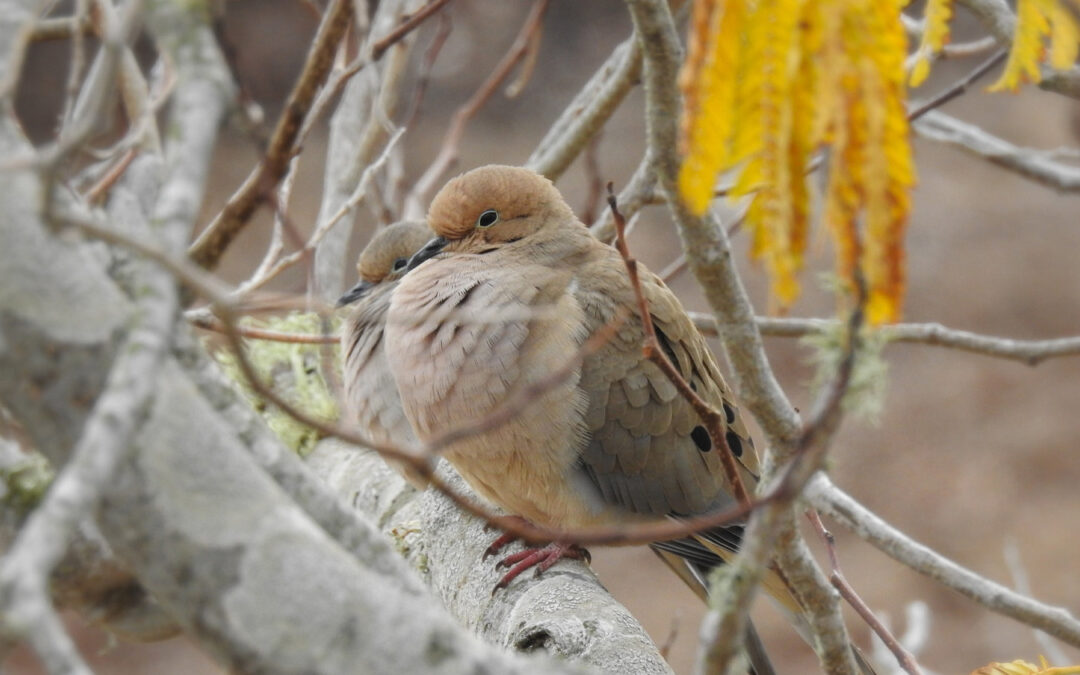
Mourning Dove

Mourning Dove

Two Mourning Doves

At the end of 2023, I got to participate in a beautiful writing workshop by Sylvia Lindsteadt.  One of the exercises was to write a short piece of mostly metaphors about something in nature we’ve encountered around our home. We read the poem, Vixen, by W.S. Merwin, as inspiration (do check it out). I chose the mourning dove, who just that past fall had perched and nested outside our guest bedroom window to hatch two baby mourning doves.

Mourning Dove

Keening woman
Weaver of the dark cry
Devotee of the line between life and death
Gaze-holding protector
Mama bear with wings
Creator of the precarious home, perched milk maiden
Stalwart songstress, painting caves of forgetting
Nesting magician, world-maker, whisperer of swift farewells

Is there a creature, a tree, or a flower that you encounter around your home or neighborhood that might inspire you to write a short metaphor-filled dedication? 
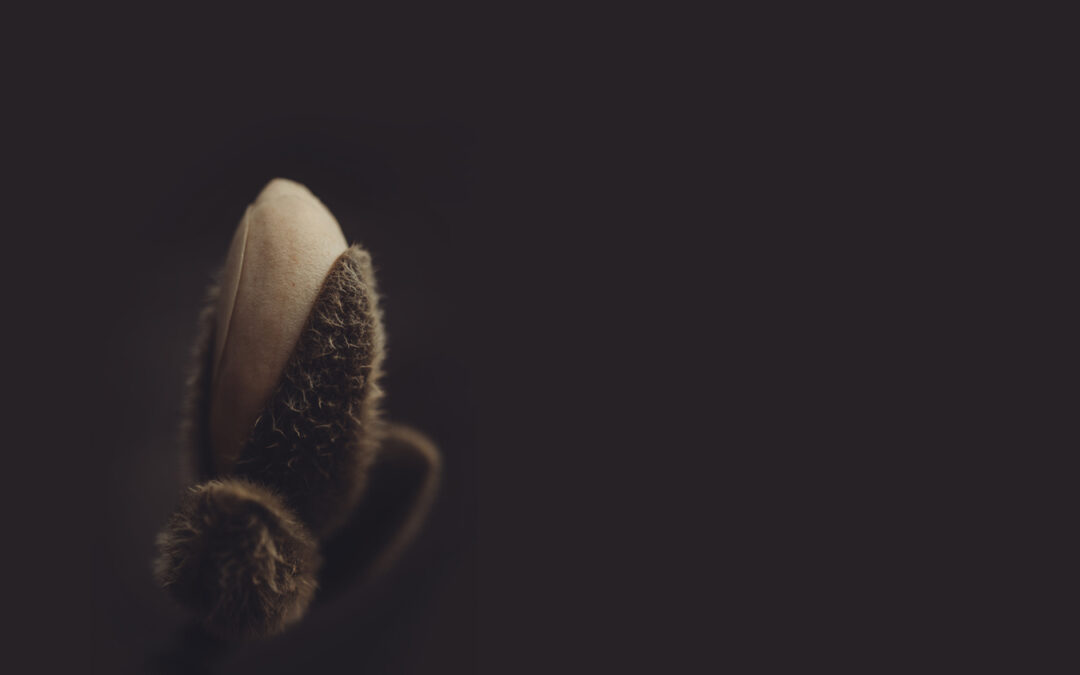
Imbolc

Imbolc

Imbolc

The first time I really felt the meaning of Imbolc in my body was about 5 years ago on the dance floor at a 5Rhythms dance in Philadelphia with Rebekah Zhuraw. It was early February around the time of Imbolc on the Celtic calendar. Imbolc, meaning “in the belly,” is the time when lambs turn in their mother’s belly getting ready to make their way into the world. It is the time when seeds begin to turn over in the ground and start the process of rooting and eventually growing up to sprout in the spring. It is a time when spring is not yet here, but there is a hint in the earth, in the womb, in our own bodies that something is beginning to shift. I remember on that day planting a seed in a big pot of soil that Rebekah brought into the dance. We planted our seed with the intention of what we were hoping would root and grow in the coming months. And then we danced those intentions. Our bodies living and moving into the experience of Imbolc.

Below is a reading of an excerpt from Caroline Mellor’s poem, “Imbolc,” from her book The Honey in the Bones (highly recommended for those interested in the changing of seasons and the celtic calendar).

In the video, I invite you to listen to the words, take them into your own body, into whatever is beginning its organic process inside you of turning down and rooting, and to let that move you into a dance, into an expression of how your body is living these words.

The reading of an excerpt from Caroline Mellor’s poem, “Imbolc. The music is “I See You” by LAOR

Video reading of A Blessing for Traveling in the Dark

Video reading of A Blessing for Traveling in the Dark

A video reading of
A Blessing for Traveling in the Dark

I am trying a little something different in this blog post. Usually, I would just post a copy of the poem I am enjoying right now; in this case, A Blessing for Traveling in the Dark, by Jan Richardson. People can enjoy it at their own pace, use it however they want to, pass it by or maybe even note it for another time. And I will still copy the poem below so that you can do all of that as desired. However, I am also going to post a short video of myself reading the poem for a different kind of experience. In the video below, I lead you through a short grounding exercise, simply to take a moment to orient to the here and now, and then I read the poem twice, inviting listeners to take it in while also noticing what happens in the experience of listening to the poem. It’s a different way to enjoy the poem, rather than just reading it on the page, and also a way to offer a little taste of what happens in the workshops I hold.

Special audio appearance by my dog, Levon, during the first reading of the poem. You can hear his little collar jingle as he shakes. Consider it an added sensory experience!

A Blessing for Traveling in the Dark

By Jan Richardson

Go slow if you can.
Slower.
More slowly still.
Friendly dark or fearsome,
this is no place
to break your neck
by rushing,
by running,
by crashing into
what you cannot see.

Then again,
it is true:
different darks
have different tasks,
and if you
have arrived here unawares,
if you have come
in peril or in pain,
this might be no place
you should dawdle.

I do not know
what these shadows
ask of you,
what they might hold
that means you good or ill.
It is not for me
to reckon
whether you should linger
or you should leave.

But this is what
I can ask for you:

That in the darkness
there be a blessing.
That in the shadows
there be a welcome.
That, in the night
you be encompassed
by the Love that knows
your name.

Up with the dog at the dawn of New Year’s Eve

Up with the dog at the dawn of New Year’s Eve

Up with the dog at the dawn of New Year’s Eve

The turning of the calendar – the man-made calendar, the calendar that was superimposed on the earth.

The new year in the celtic world, from which my ancestors come, would be Samhain, the end of October. The year begins with the last harvest and the descent into darkness.

It’s only a couple of months difference, but ideologically much farther away from our modern calendar which seems to indicate an end in the darkness.

It says something, to me anyway, about the relationship my ancestors had with the natural world and the acknowledgment or maybe reverence of the wisdom and potency of the darkness.

The darkness is the beginning, it is that from which everything comes.

Seeds in the dark ground.
Babies in the darkness of the womb.
Revelations arriving out of difficulty and tumultuous times.
Creation out of the primordial darkness soup.
Something emerging from a seeming nothing.
But we know, the dark is not nothing
Alchemy is happening in the dark.
Sparks of creative elements exist in readiness in the dark.

And this isn’t to glorify or paint a pretty picture of the dark.

There’s darkness that people don’t return from. We know that all too well.
There’s darkness that doesn’t reveal light in the way that transforms it.

There’s dark shit that no amount of creativity and light can undo or make not have happened.
There’s darkness that doesn’t need to be filtered or burdened by an expectation of a healing to come.

Darkness happens. It exists.
And sometimes it is part of a cycle of emergence. And sometimes it’s unbearable.
And sometimes we find ways to bear the unbearable anyway.
And sometimes in the bearing, something else comes forth.

Whenever we sense our beginning, our personal turn of the year, may we be held by something or someone or somewhere that helps us bear the unbearable. And may we be mirrored and uplifted in our joy and radiance.

Turning Towards the Dark

Turning Towards the Dark

Turning Towards the Dark

I am a self-proclaimed lover of fall and winter.

I enjoy the move into darkness and colder weather. Part of me longs for the hibernation of winter, a deep sigh of relief even at the thought of it. At this time of year, on the threshold between fall and winter, the talk of ancestors being close and the veil “between the worlds” being thin, offers even more to explore within ourselves and in our ancestral lineages about the growing darkness.

In my own ancestral lineages, mainly the gaelic and celtic world, it appears (as far as we can know from archeological and historical information gathered) this was a time of year to prepare for the dark and cold months and to honor the ancestors. Would there be enough harvest to keep everyone fed, enough wood for fires and warmth, enough shelter that everyone including the animals could make it until spring?

The honoring of ancestors and gods often involved offerings of some kind, gathering as a community, fires and food, perhaps in the hopes that if it pleased those on the other side, there would be more guarantee of survival.

It was a time of threshold between the harvest and the long barren winter, and between those inhabiting the land and those who had gone beyond. Death was close during the dark cold winter.

When I consider myself, I wonder what I feel closer to at this time of year? What am I longing for in the cold dark winter for myself? The line between life and death is not as imminent for me as my ancestors given the comforts of home and food, electricity and running water.

I don’t live on the edge in the same way. And yet, if I were to honor whatever edge might be present for me in this modern age, it might be one between light and dark, between activity and stillness, and a turning from outward orientation to inward orientation. Can I follow the guidance of the land and its cycles, lean into the fallow ground, the quiet and the dark to listen for a different kind of connection?

We’ve only been living in our current home for a year now, but I distinctly remember how quiet it was walking on one particular street last winter. When the snow was on the ground, early morning, cocooned by trees, evergreens and bare branches both, it was the silence that I noticed and enjoyed. I felt alive in a different way than when the spring birds are singing. It felt like the environment, the air, the land was right up close to my skin, and that I was right up against it, willingly intimate, no place to hide.

I am getting ahead of myself a bit here; we are still another month or two away from that kind of winter, but it’s coming. And likely if we pay attention enough to ourselves, we will notice some kind of response to the shift, whether we are longing for it, anticipating it, resisting it or even ignoring it.

Can we make a conscious noticing, even honoring, of whatever our experience is of this time of year? Even though the answer may not always be comfortable or pleasant, can we ask ourselves what the darkness makes us feel closer to in our lives? And what nourishes us as we head into the dark still cold night?

Three poems in the elevenie form:

Inward
Always turns
Ripe with longing
Welcomed in ready arms
Communion

Stillness
Whispers promise
From someplace within
Truth revealed in waiting
Listen

Dark
Deepens knowing
In places ancestral
No need to fear
Transformation

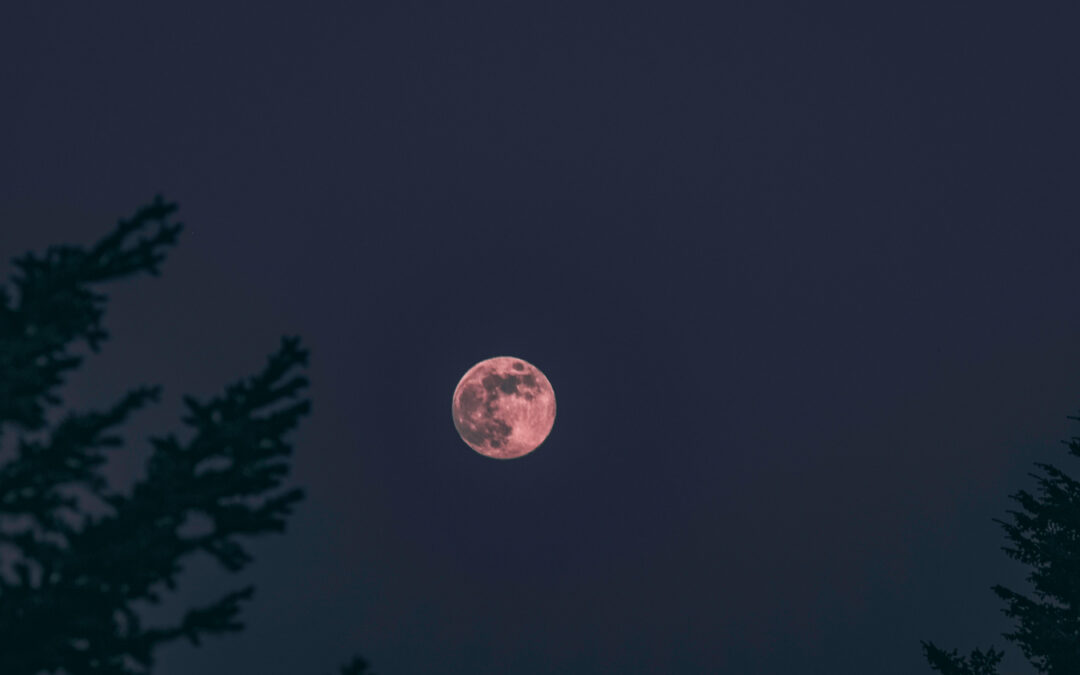
The Sun

The Sun

The Sun

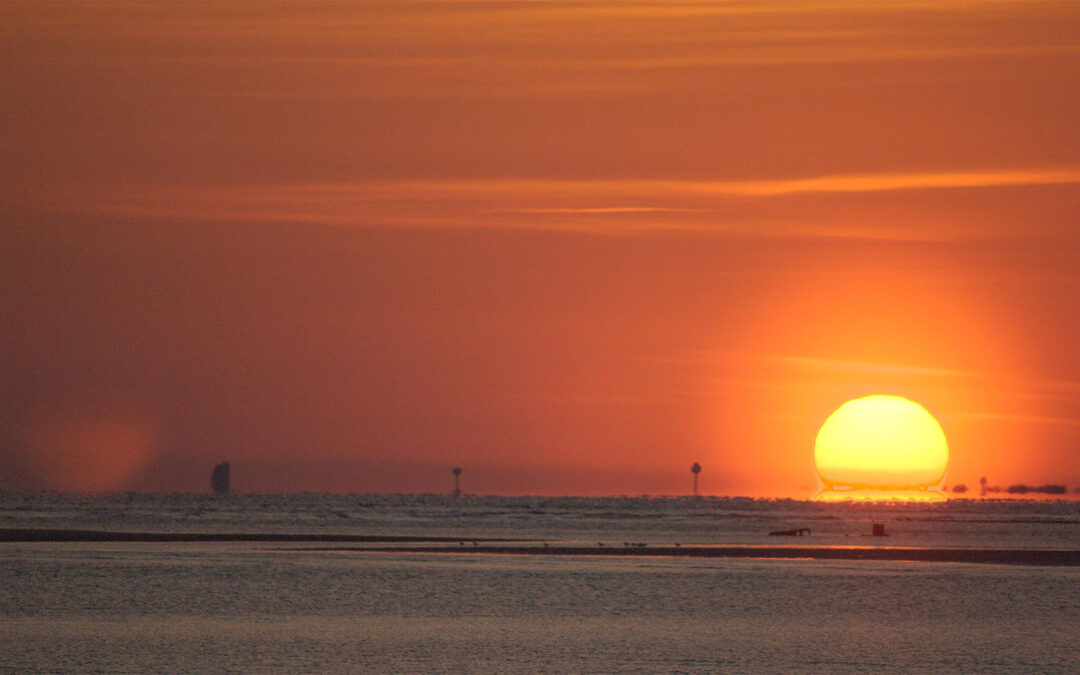
Being that we are in the height of summer here in the northern hemisphere, I thought I would share a poem that I have worked with recently that expresses “wild love” for the sun. I was born just after the summer solstice, and I love swimming in the summer ocean, but my body and temperament struggle with the hot humid heat of deep summer. It feels a bit more tolerable living outside of a city right now, but I still find myself counting down the days until I can enjoy a cool fall breeze. In light of that, I am working on expanding my capacity to appreciate the summer, and I share this poem by Mary Oliver with that inspiration in mind.

What would your poem to the Sun say?

The Sun

By Mary Oliver

Have you ever seen
anything
in your life
more wonderful

than the way the sun,
every evening,
relaxed and easy,
floats toward the horizon

and into the clouds or the hills,
or the rumpled sea,
and is gone–
and how it slides again

out of the blackness,
every morning,
on the other side of the world,
like a red flower

streaming upward on its heavenly oils,
say, on a morning in early summer,
at its perfect imperial distance –
and have you ever felt for anything
such wild love –
do you think there is anywhere, in any language,
a word billowing enough
for the pleasure

that fills you,
as the sun
reaches out,
as it warms you

as you stand there,
empty-handed–
or have you too
turned from this world–

or have you too
gone crazy
for power,
for things?